18 May 2026 · pregnancy · massage · wellbeing · first visit
What to expect from a pregnancy massage
A practical guide to pregnancy massage with Amy Brooks at Wild Rose Shoreham — when it's safe, what positions we use, what it actually feels like, and how it helps with the everyday aches of carrying a baby.
By Amy Brooks
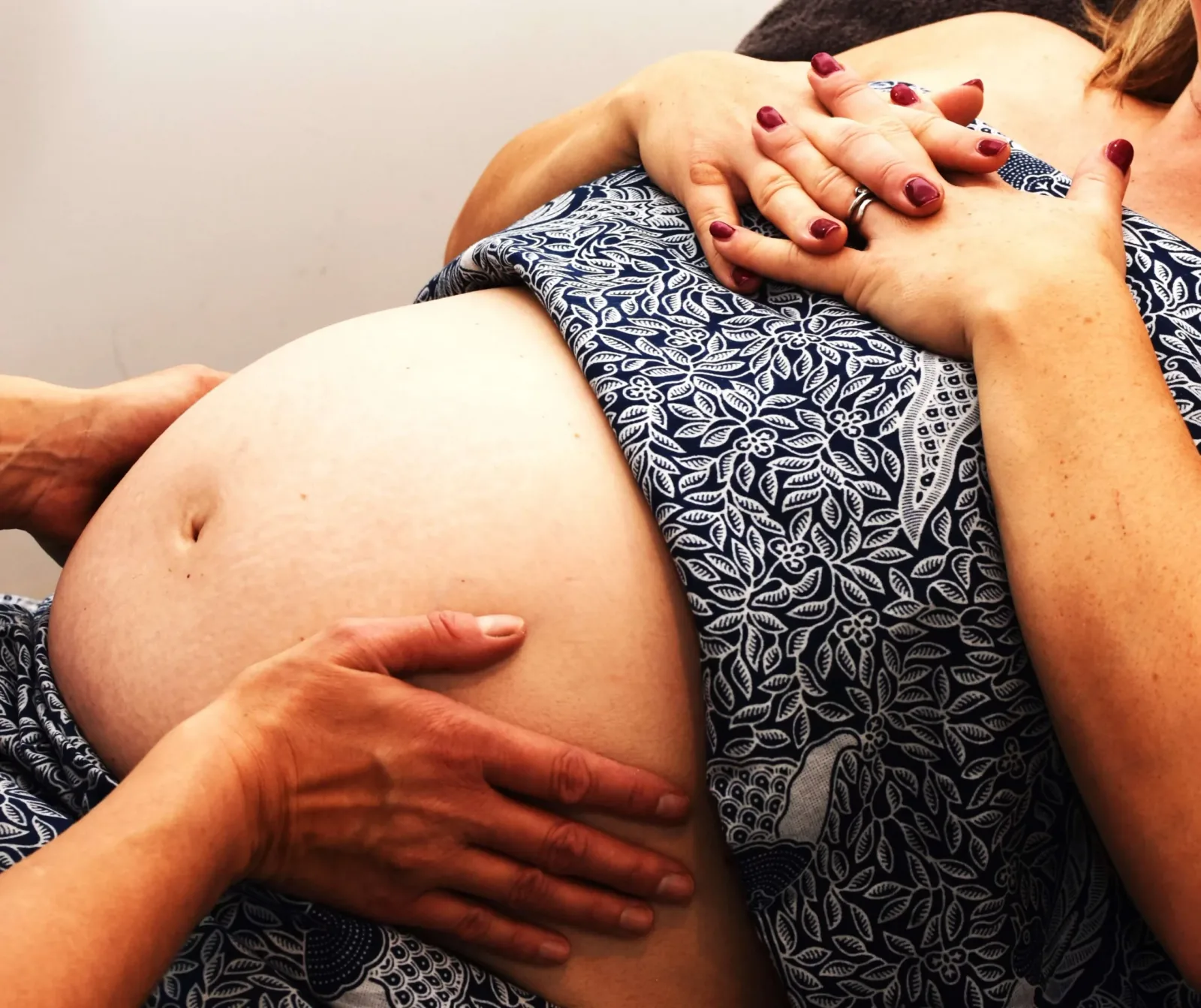
Pregnancy puts your body through a lot — shifting posture, growing baby, looser ligaments, broken sleep, swollen ankles, a hardworking lower back. Pregnancy massage isn’t a luxury during this time. It’s a sensible bit of self-care that helps your body do what it’s already doing brilliantly. Here’s what to expect when you book one with me.
When is it safe to come?
I treat clients from the start of the second trimester (week 13) through to the end of pregnancy. The first trimester is the one window I avoid — it’s the most active developmental period and standard practice is to wait.
If your pregnancy is high-risk, if you’ve had any bleeding, or if your midwife or consultant has asked you to avoid massage for any reason, get the all-clear from them first. I’ll always ask about this on your consultation, and I’d rather you check with your team if there’s any doubt.
The position you’ll be in
I use side-lying for the whole treatment — no lying flat on your back (which can compress the vein returning blood from the lower body), no face-down (obviously). You’ll be tucked into a comfortable nest of bolsters and pillows that support your bump, your top knee, your head, and anywhere else you usually wedge a cushion at home.
Most clients are surprised how comfortable it is. Some fall asleep within ten minutes.
We swap sides halfway through so I can work both sides of your back, both hips and both legs evenly.
What the treatment feels like
The pressure is gentler than a standard deep-tissue massage — pregnancy isn’t the time to go in hard on tight muscles. The technique is firm enough to actually release tension, light enough to be soothing rather than stimulating.
I focus on the areas that work hardest during pregnancy:
- Lower back and sacrum — where most of the day-to-day ache lives
- Hips and glutes — loose ligaments + bump weight = constant work
- Shoulders and neck — especially in later pregnancy when you start to round forward
- Calves and feet — for the swelling and the standing
- Hands and forearms — often missed, often surprisingly tight
I’ll skip the abdomen entirely. Some practitioners offer gentle abdominal work; my preference is to leave it alone and let your body have that one quiet area.
How you’ll feel afterwards
- Calmer. Pregnancy massage drops cortisol and lifts serotonin, so the immediate effect is a quiet, grounded mood. Bring someone to drive home if you’re not sure you’ll feel sharp.
- Looser. Lower back, hips and shoulders are usually noticeably more mobile straight after.
- Sometimes sleepy. A long deep sleep that night is common. Take it.
- Occasionally emotional. Pregnancy holds a lot of feeling. A few quiet tears on the table or that evening is normal and healthy.
You may also notice you need the loo more — that’s normal too. Lots of water in the 24 hours after helps your body process everything that’s been moved.
How often is sensible?
For general pregnancy wellbeing, once every 3–4 weeks through the second and third trimesters works well for most people. If you’re dealing with a specific issue — significant back pain, hip discomfort, swelling — we can do shorter sessions more often.
Many of my clients book a session for the week before their due date too. It’s a lovely way to mark the threshold.
A few practical things
- Eat something light an hour or so before. Pregnancy stomachs don’t love being empty or being stuffed.
- Wear loose, comfortable clothes for the walk in and out.
- Don’t feel awkward about needing the loo halfway through, asking to swap sides earlier, or wanting an extra cushion. Every body is different. Every day of pregnancy is different. We’ll adjust.
- Tell me what’s changed since last time. A new ache, a clinic appointment, a worry — it all helps me tailor the session.
Ready to book?
Book a Pregnancy Massage — sessions are 60, 75 or 90 minutes. If it’s your first visit, allow 15 extra minutes for a short consultation. Any questions before you book, email me at wildrosemassage.uk@gmail.com.
— Amy